
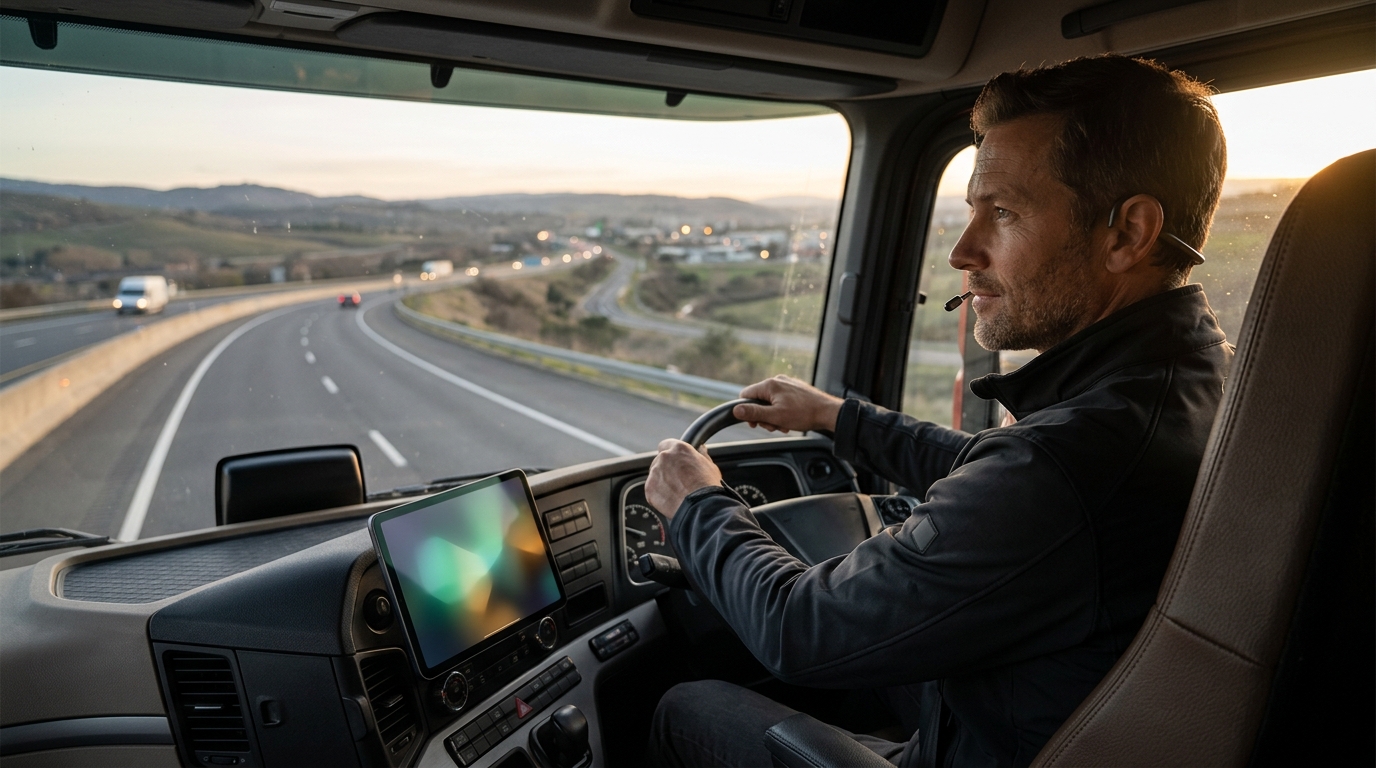
Drivers face a critical choice: how to navigate safely while reporting road hazards. The most effective method is a dedicated hands-free system that separates navigation commands from civic reporting inputs. This allows drivers to keep their eyes on the road while interacting with both functions. WhereY'at Inc. provides this exact solution for fleets and municipalities. This guide covers the technology, the workflow, and the safety benefits of this approach. For additional details, review the whereyatinc com.
Voice Controlled Navigation
Accuracy and Reliability
High accuracy in speech recognition is vital for safety. If the system misinterprets a command, it could lead to wrong turns. This is dangerous for heavy trucks or delivery vehicles. Reliable systems use advanced algorithms to filter out noise. They also allow for confirmation of critical commands. This double-check mechanism prevents errors. Drivers trust the system when it is consistent. Consistency builds confidence in the hands-free interface. The system must respond quickly to maintain the flow of driving. Delays can cause frustration and distraction. A responsive voice interface is a key component of a safe driving environment. For additional details, review the Customer Experience.
Integration with Civic Reporting
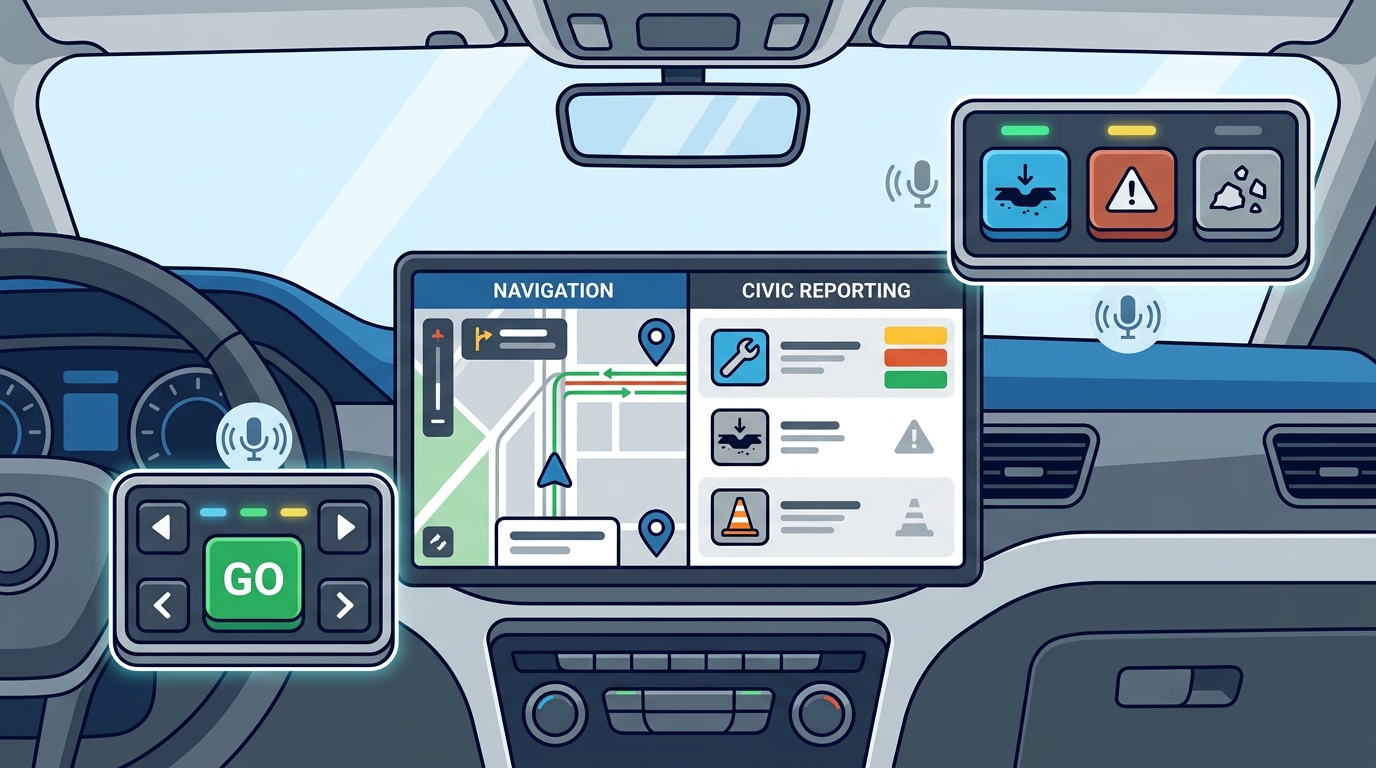
Integrating civic reporting into the voice interface requires careful design. Drivers need to report hazards without losing focus on the route. The system must distinguish between navigation commands and reporting commands. This separation is crucial for usability. A driver can say, "Report pothole," and the system captures the location. It then prompts for details if needed. This process is quick and non-intrusive. The driver does not need to look at a screen. The audio feedback confirms the report was sent. This seamless integration is what makes the method effective. It turns a potential distraction into a simple audio interaction. For additional details, review the Frequently Asked Questions.
Separation of Concerns in Interface Design
Separation of concerns is a design principle that divides a system into distinct sections with different responsibilities. In the context of in-vehicle technology, this means keeping navigation and reporting as separate logical functions. This prevents the interface from becoming cluttered and confusing. When these functions are mixed, drivers may hesitate or make errors. A clean separation allows for intuitive use. The driver knows exactly what to say for each task. This clarity is essential for maintaining focus. The interface should guide the driver through each step clearly. Audio prompts should be distinct for each function. This auditory separation helps the driver stay oriented. It reduces the mental effort required to operate the system. For additional details, review the About.
Audio Cues and Feedback
Audio cues are the primary feedback mechanism in hands-free systems. They must be clear and distinct. Navigation cues should sound different from reporting cues. This helps the driver identify the context immediately. For example, a chime might indicate a turn, while a different tone indicates a report. This auditory distinction is a form of separation of concerns. It allows the driver to process information quickly. The system should also provide confirmation sounds. These confirm that a command was received and processed. This feedback loop is critical for user confidence. Without it, drivers may repeat commands or become anxious. Clear audio feedback is a hallmark of a well-designed hands-free system.
Minimizing Cognitive Load
Safety Implications for Commercial Fleets
Regulatory Compliance
Regulations regarding driver distraction are becoming stricter. Many jurisdictions have laws against using handheld devices while driving. Hands-free systems help fleets comply with these laws. They provide a legal and safe way to use navigation. This is important for maintaining a good safety record. A good safety record can lower insurance costs. It also improves the company's reputation. Compliance is not just about avoiding fines. It is about creating a culture of safety. Hands-free technology supports this culture. It shows that the company cares about its drivers. This can improve driver retention and morale. Drivers feel safer and more supported when they have good tools.
Data and Analytics
Hands-free systems can collect valuable data. This data can be used to improve safety and efficiency. For example, the system can track how often drivers use the reporting feature. This can help identify problem areas on the road. It can also help identify drivers who may need additional training. The data is anonymous and aggregated. It is used for the greater good of the fleet. This is a key benefit of modern fleet management. It allows for data-driven decision making. The company can make better decisions about routes and maintenance. This leads to a more efficient and safer operation. The data is a byproduct of the hands-free system. It adds value beyond just navigation and reporting.
Municipal Workflow Integration
Municipalities are responsible for maintaining public roads. They often lack the resources to identify all problems quickly. Citizen reporting is a valuable source of information. However, traditional reporting methods are often cumbersome. Drivers may not report issues because it is too difficult. A hands-free system makes reporting easy. This increases the volume and quality of reports. The municipality receives accurate location data. This helps them prioritize repairs. The workflow is streamlined from report to resolution. The driver reports the issue. The system sends the data to the municipality. The municipality reviews and assigns the task. This closed-loop system is efficient. It ensures that problems are addressed promptly. This improves the quality of the road network. It also improves public satisfaction. The municipality can show that they are responsive to citizen concerns.
From Report to Resolution
The process from report to resolution is critical. A report that is not acted upon is a wasted opportunity. The system must ensure that reports are tracked. Each report should have a status. This status is visible to the municipality. It can be updated as the work progresses. The driver can also see the status if they wish. This transparency builds trust. The driver knows that their report was heard. This encourages future reporting. The municipality can use this data to plan long-term maintenance. They can see patterns in the types of problems reported. This helps them allocate resources more effectively. The system is a tool for proactive maintenance. It helps the municipality stay ahead of problems.
Public Trust and Engagement
Public trust is essential for effective municipal governance. When citizens see that their reports lead to action, trust increases. This is a positive feedback loop. More reports lead to more action, which leads to more trust. The hands-free system facilitates this loop. It makes it easy for citizens to participate. This engagement is valuable for the municipality. It provides a direct line to the people who use the roads. The municipality can use this input to make better decisions. This is a form of participatory governance. It is more effective than top-down decision making. The system is a tool for community engagement. It helps build a stronger relationship between the municipality and its residents.
Comparison of Navigation Methods
The following table compares different navigation methods in terms of safety and civic reporting capability.
| Method | Hands-Free Capability | Civic Reporting Integration | Safety Risk |
|---|---|---|---|
| Manual GPS | Low | None | High |
| Smartphone Mount | Medium | Low | Medium |
| Dedicated Hands-Free System | High | High | Low |
Key Takeaways
- Separation of concerns is a design principle that divides a system into distinct sections with different responsibilities.
- Cognitive load is the amount of mental effort required to use a system.
- Municipalities benefit from streamlined reporting workflows.
- Commercial fleets benefit from reduced distraction and regulatory compliance.
- Public trust is built through transparent reporting and resolution processes.
- Data from hands-free systems can be used for proactive maintenance and safety improvements.
Frequently Asked Questions
What is the safest way to use navigation while driving?
How does civic reporting work in a hands-free system?
Civic reporting works through voice commands. The driver can say a phrase to report a hazard. The system captures the location and sends it to the municipality. The driver receives audio confirmation.
Is voice navigation accurate enough for commercial trucks?
Yes, modern voice navigation systems are highly accurate. They use advanced algorithms to handle noise and accents. They also provide confirmation for critical commands. This ensures reliability for commercial use.
How do municipalities benefit from driver reports?
Municipalities benefit from accurate and timely data. This helps them prioritize repairs and allocate resources. It also improves the overall quality of the road network. It builds public trust through responsiveness.
What is the role of separation of concerns in interface design?
Separation of concerns keeps navigation and reporting as distinct functions. This prevents the interface from becoming cluttered. It reduces cognitive load and improves usability. It is essential for a safe and effective hands-free system.
Can hands-free systems help with regulatory compliance?
Yes, hands-free systems help fleets comply with laws against handheld device use. They provide a legal and safe way to use navigation. This can lower insurance costs and improve safety records.
How is data from hands-free systems used?
Data is used for analytics and proactive maintenance. It helps identify problem areas and patterns. It also helps improve safety and efficiency. The data is anonymous and aggregated for the greater good.
What is the main advantage of a dedicated hands-free system?
The main advantage is the combination of high safety and high functionality. It allows drivers to navigate and report hazards without distraction. This is the only method that fully meets the needs of both drivers and municipalities.
Conclusion
Choosing the right hands-free navigation method is critical for safety and civic engagement. A dedicated system that separates navigation from reporting is the best solution. It keeps drivers focused and allows for easy hazard reporting. WhereY'at Inc. provides this technology for fleets and municipalities. It connects the people using the roads with the people maintaining them. This creates a safer and more efficient transportation network. We encourage you to explore how this technology can benefit your organization. Visit WhereY'at Inc. to learn more about our solutions. Learn more: whereyatinc com.