

Hands-Free Driving: Ask for Directions and Music Without Touching Your Screen
Drivers can ask for directions, change an address, and pick music without touching their screen by using a voice-first navigation layer. WhereY'at Inc. provides this capability through its Sensa voice layer, designed to keep hands on the wheel and attention on the road. This guide covers how voice assistant commands work in a driving context and how hands-free navigation integrates with municipal road reporting workflows.
Voice Assistant Commands
Voice assistant commands are natural language phrases that allow users to control digital interfaces without physical input. In a driving environment, these commands replace taps, swipes, and typing with spoken requests. This shift reduces cognitive load and visual distraction, which are primary contributors to driver inattention. For additional details, review the .
Core Command Categories
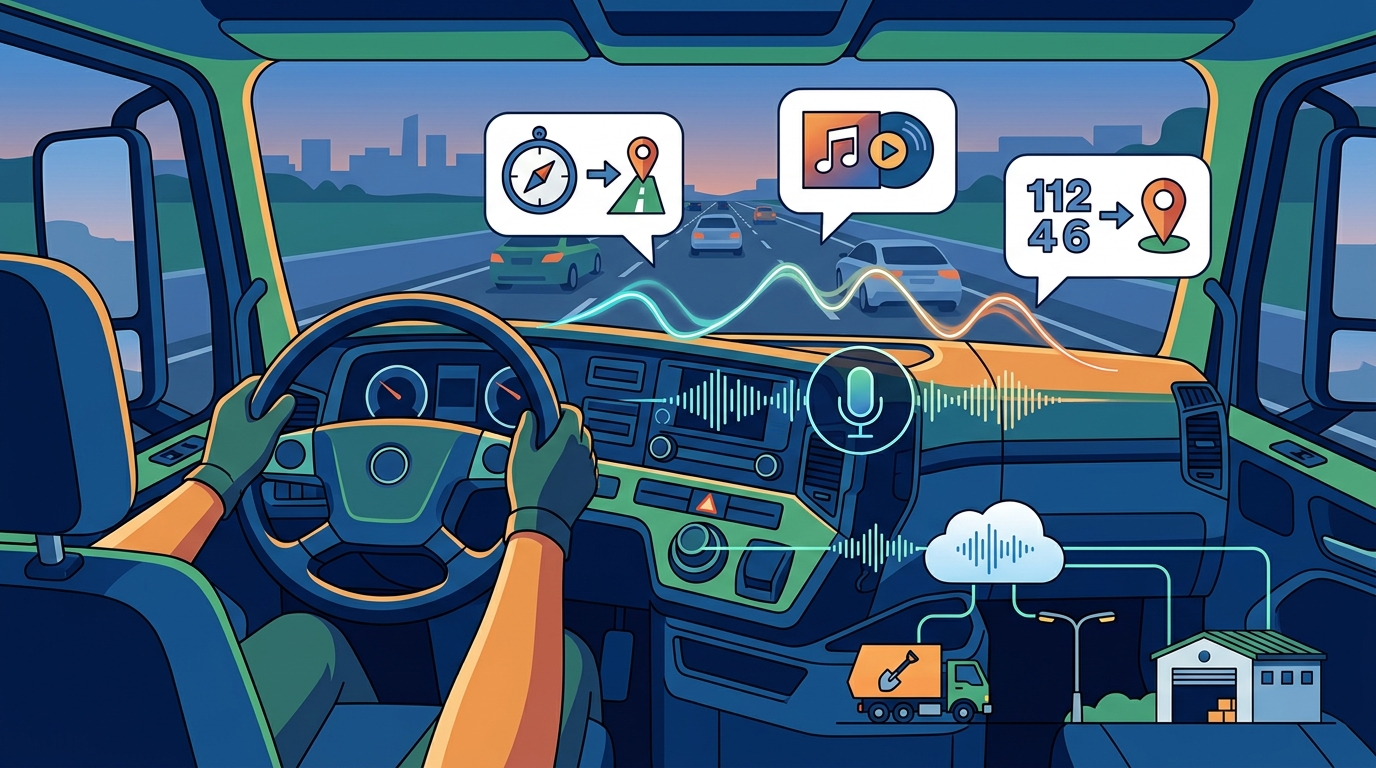
Drivers typically interact with three core categories of commands: navigation, media, and trip assistance. Navigation commands include requesting directions to a specific address or landmark. Media commands allow users to select songs, albums, or playlists. Trip assistance commands enable users to ask for help or information during the journey. For additional details, review the Customer Experience.
WhereY'at Inc. structures its Sensa voice layer around these categories. The system is designed to interpret intent rather than just keywords. For example, saying "take me to the nearest gas station" triggers a search and route calculation. Saying "play some jazz" triggers a media query. This intent-based approach reduces the need for precise phrasing, making the interaction more fluid. For additional details, review the Frequently Asked Questions.
Reducing Cognitive Load
Cognitive load is the total amount of mental effort being used in working memory. High cognitive load while driving increases the risk of errors. Voice commands lower this load by removing the need to read small text on a screen or navigate complex menus. The driver can keep their eyes on the road while the system processes the request. For additional details, review the About.
The Sensa layer is built to minimize the number of steps required to complete a task. Instead of opening an app, searching for a location, confirming the address, and starting navigation, the driver speaks one phrase. The system handles the backend logic. This efficiency is critical for commercial truck drivers and logistics delivery drivers who manage multiple stops per day.
Accuracy and Feedback
Accurate speech recognition is essential for a reliable voice interface. The system must correctly interpret the user's intent, especially in noisy environments like a truck cab or a city street. WhereY'at Inc. focuses on clear audio feedback to confirm that the command was understood. If the system is unsure, it asks for clarification rather than guessing. This prevents incorrect routes or media selections.
Hands-Free Navigation
Hands-free navigation is a driving assistance feature that allows users to manage their route and trip details using voice commands instead of manual input. It is a critical component of modern intelligent transportation systems. By keeping hands on the wheel, drivers maintain better vehicle control and reaction time.
Integration with Road Accountability
WhereY'at Inc. extends hands-free navigation beyond simple routing. The platform connects drivers with municipal road accountability workflows. When a driver encounters a pothole or road hazard, they can report it using voice commands. The report is sent to the relevant municipality, where it can be reviewed, assigned to a road crew, and tracked to completion.
This integration creates a feedback loop between road users and road maintainers. Drivers get real-time information about road conditions ahead. Municipalities get a streamlined way to collect and manage road problem reports. The result is a safer and more efficient road network for everyone.
Commercial Fleet Applications
Commercial trucking and logistics teams benefit significantly from hands-free navigation. These drivers often spend long hours on the road and manage complex routes with multiple stops. The Sensa voice layer allows them to update their destination, check traffic conditions, and report road issues without taking their hands off the wheel.
Fleet managers can also use the data generated by these interactions to optimize routes and improve driver safety. By analyzing voice command patterns and road reports, managers can identify common issues and adjust operations accordingly. This data-driven approach helps reduce downtime and improve overall fleet efficiency.
Comparison of Voice Navigation Features
| Feature | Standard Navigation Apps | WhereY'at Sensa Voice Layer |
|---|---|---|
| Address Entry | Manual typing or search | Voice command with intent recognition |
| Music Selection | Tap to browse playlists | Voice command for songs or genres |
| Road Reporting | Often unavailable or manual | Voice report to municipality workflow |
| Driver Distraction | High (visual and manual) | Low (audio and minimal visual) |
Key Takeaways
- Voice assistant commands allow drivers to control navigation and media without physical input.
- Hands-free navigation keeps hands on the wheel and reduces cognitive load.
- WhereY'at Inc. integrates voice navigation with municipal road reporting workflows.
- Commercial fleets benefit from reduced downtime and improved safety through voice-first interfaces.
- Intent-based voice recognition reduces the need for precise phrasing.
- Audio and visual feedback loops ensure accurate command execution.
- Real-time road condition data improves route planning and safety.
- The Sensa voice layer is designed for commuters, truck drivers, and logistics teams.
Frequently Asked Questions
How do I change my destination without touching the screen?
You can change your destination by speaking a new address or landmark to the voice assistant. The system will calculate a new route and provide audio and visual confirmation. This process is designed to be quick and intuitive, minimizing distraction.
Can I control music while driving?
Yes, you can control music by using voice commands to select songs, albums, or playlists. The system interprets your request and plays the selected media. This allows you to enjoy your favorite music without taking your hands off the wheel.
Is hands-free navigation safe for all drivers?
Hands-free navigation is designed to be safe for all drivers by reducing visual and manual distraction. It is particularly beneficial for commercial drivers who spend long hours on the road. However, drivers should always remain attentive to their surroundings.
How does WhereY'at report road problems?
WhereY'at allows drivers to report road problems using voice commands. The report is sent to the relevant municipality, where it is reviewed and assigned to a road crew. This creates a direct link between road users and maintainers.
Does the system work in noisy environments?
The system is designed to work in noisy environments by using advanced speech recognition technology. It filters out background noise to accurately interpret voice commands. Clear audio feedback helps confirm that the command was understood.
Can fleet managers access data from voice interactions?
Yes, fleet managers can access data from voice interactions to optimize routes and improve safety. This data includes route changes, road reports, and driver behavior patterns. It helps managers make informed decisions about fleet operations.
Is the Sensa voice layer available for personal vehicles?
The Sensa voice layer is designed for commuters, commercial truck drivers, and logistics delivery drivers. It is available for personal vehicles as well, providing a safe and efficient way to navigate and manage media.
How does the municipal workflow function?
The municipal workflow allows road problem reports to be reviewed, assigned, and tracked. Municipalities can see the status of each report and mark it complete when the issue is resolved. This transparency improves accountability and response times.
Conclusion
Asking for directions, changing an address, and picking music without touching your screen is achievable through a voice-first navigation layer. WhereY'at Inc. provides this capability through its Sensa voice layer, which is designed to keep hands on the wheel and attention on the road. By integrating voice commands with municipal road reporting workflows, WhereY'at creates a safer and more efficient driving experience for commuters, commercial truck drivers, and logistics teams. To explore how hands-free navigation can benefit your fleet or personal driving, visit WhereY'at Inc. and learn more about their intelligent transportation solutions. Learn more: WhereY Inc Hands free.