
Hands-Free Navigation for Address Changes: The 2026 Driver's Guide
Voice Guided Navigation
How Speech Recognition Works in Vehicles
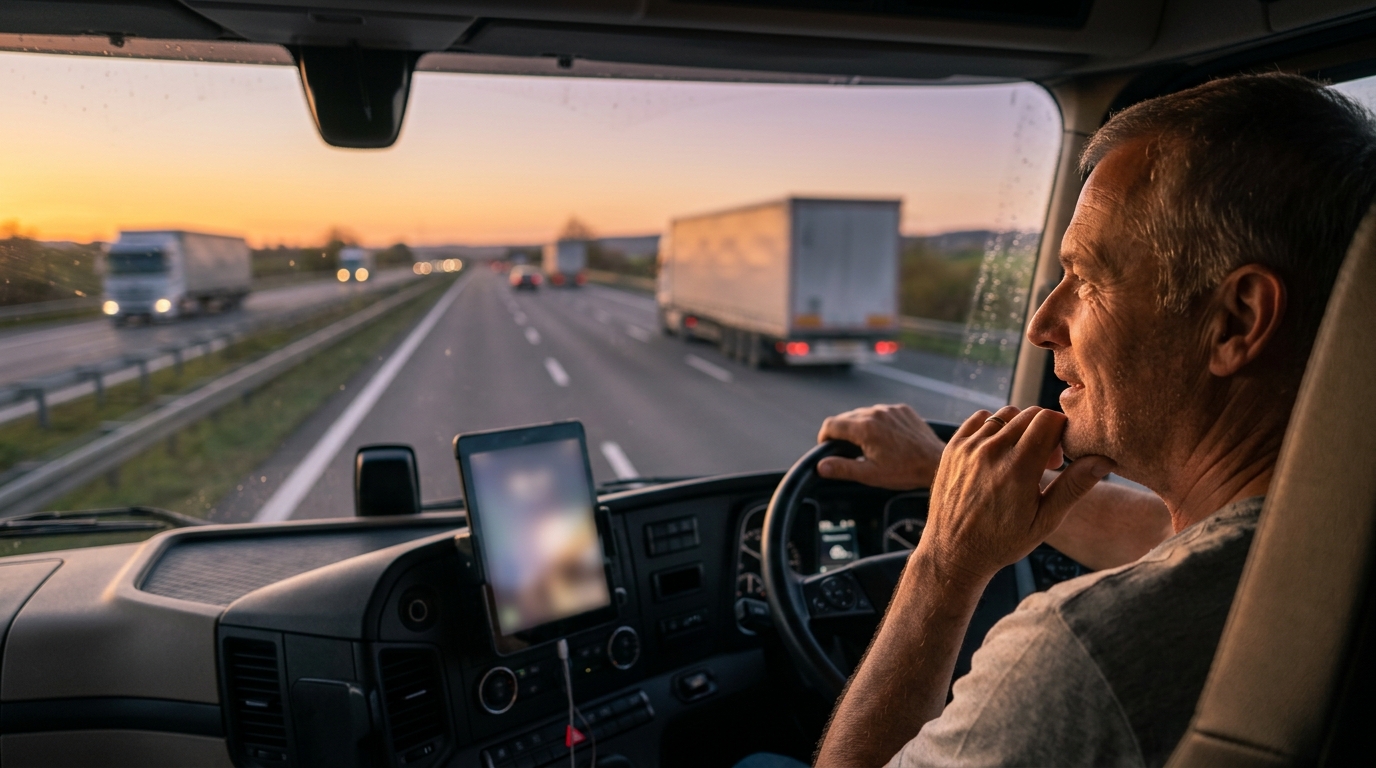
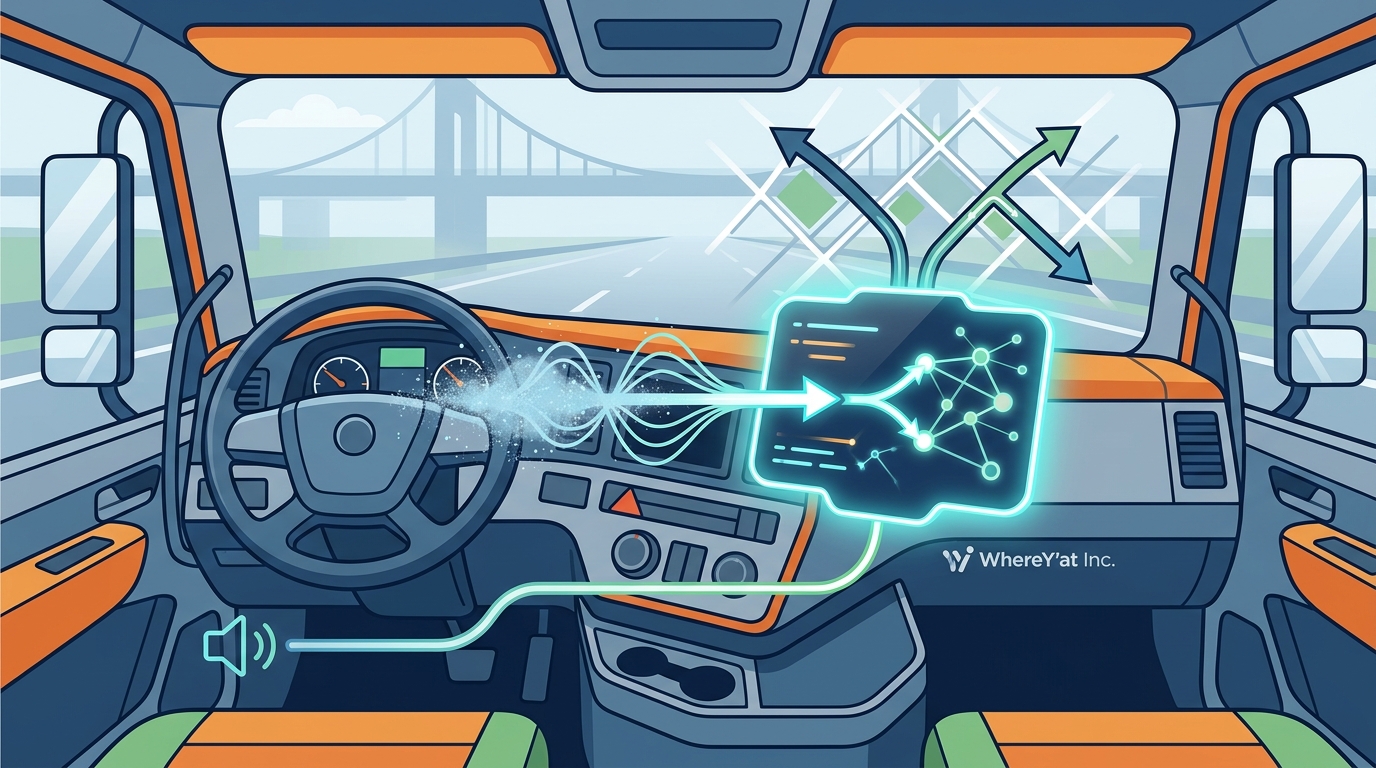
Vehicle-grade speech recognition must handle background noise, engine hum, and varying accents. The system listens for specific trigger phrases. When a driver says a new address, the engine parses the intent. It then calculates the fastest or safest route to the new location. This process happens in seconds, allowing the driver to continue driving without distraction. For additional details, review the whereyatinc com.
The Role of Natural Language Processing
Natural language processing is the technology that allows computers to understand human speech in context. It distinguishes between a request to change a destination and a casual comment about the road. This distinction is critical for safety. If the system misinterprets a comment as a command, it could reroute the vehicle unexpectedly. WhereY'at Inc. designs its interface to minimize these false positives. For additional details, review the .
Safety and Attention Management
Driver distraction is a leading cause of road accidents. The National Highway Traffic Safety Administration (NHTSA) classifies distraction into visual, manual, and cognitive categories. Hands-free navigation addresses visual and manual distraction. However, cognitive distraction remains a risk if the interface is complex. A good system should require minimal mental effort to operate. For additional details, review the Customer Experience.
Visual vs. Manual Distraction
Visual distraction occurs when a driver looks away from the road. Manual distraction happens when a driver takes hands off the wheel. Typing an address requires both. Voice commands eliminate the need for manual input. They also reduce the time the driver looks at a screen. The driver can keep eyes on the road while listening for confirmation. For additional details, review the Frequently Asked Questions.
Cognitive Load and Interface Design
Cognitive load is the amount of mental effort required to use a system. High cognitive load increases reaction time and error rates. Simple, clear voice prompts reduce this load. The system should confirm actions clearly. It should also provide immediate feedback on route changes. WhereY'at Inc. focuses on clear audio cues to keep the driver informed without overwhelming them. For additional details, review the About.
Address Change Mechanics
Changing an address in a navigation system involves several steps. The driver must initiate the command. The system must recognize the new location. It must then recalculate the route. Finally, it must notify the driver of the new ETA. Each step must be seamless to maintain safety. Delays or errors in this process can lead to confusion or missed turns.
Initiating the Command
Drivers can use specific wake words or buttons to start a command. Some systems allow continuous listening. Others require a push-to-talk button. Push-to-talk is often safer because it prevents accidental triggers. The driver presses a button, speaks the address, and releases. This ensures the system only listens when intended.
Route Recalculation and Feedback
Fleet vs. Personal Use
Requirements for Fleet Managers
Fleet managers need visibility into all vehicles. They want to know if a driver is delayed. They also want to receive hazard reports from their fleet. A good system aggregates this data. It provides a central dashboard for monitoring. This helps managers make informed decisions about routing and maintenance.
Requirements for Individual Drivers
Municipal Integration and Reporting
Reporting road hazards is a key feature of WhereY'at Inc. Drivers can report potholes, debris, or other issues. These reports are sent to the relevant municipality. The municipality can then review and assign the issue to a road crew. This creates a closed-loop system for road maintenance. It connects the people using the roads with the people maintaining them.
The Reporting Workflow
The workflow starts with the driver identifying a hazard. They use a voice command or button to report it. The system captures the location and type of hazard. It sends this data to the municipal portal. The municipality reviews the report. If valid, it assigns a crew to fix the issue. The driver receives a notification when the issue is resolved.
Benefits for Municipalities
Municipalities benefit from real-time data on road conditions. They can prioritize repairs based on severity and volume. This improves resource allocation. It also enhances public safety. By receiving reports from drivers, municipalities can address issues faster. This leads to better road conditions and higher public satisfaction.
Provider Comparison Table
| Feature | WhereY'at Inc. | Waze | Trucker Path |
|---|---|---|---|
| Hands-Free Address Change | Yes, via voice commands | Limited, requires screen interaction | Yes, for truckers |
| Hazard Reporting | Yes, integrated with municipalities | Yes, community-based | Yes, for truckers |
| Fleet Management | Yes, centralized dashboard | No | Yes |
| Municipal Integration | Yes, direct reporting | No | No |
| Target Audience | Drivers, Fleets, Municipalities | Personal Drivers | Truckers |
Key Takeaways
- Hands-free address changes reduce visual and manual distraction, improving safety.
- Natural language processing is the technology that allows systems to understand complex voice commands.
- The system integrates with municipalities to report and track road hazards.
- Fleet managers benefit from centralized dashboards for monitoring vehicle status.
- Clear audio feedback is essential for confirming route changes and maintaining driver confidence.
- Choosing the right provider depends on whether you need personal navigation or fleet management tools.
Frequently Asked Questions
Can I change my destination while driving?
Yes, with hands-free navigation. You can speak the new address, and the system will update the route. This allows you to keep your eyes on the road.
How does WhereY'at Inc. handle hazard reports?
Drivers can report hazards using voice commands. The system sends the report to the relevant municipality. The municipality can then assign a crew to fix the issue.
Is voice navigation safe?
Yes, when designed correctly. It reduces visual and manual distraction. However, cognitive load should be minimized to ensure safety.
Can fleet managers monitor their vehicles?
Yes, WhereY'at Inc. provides a centralized dashboard. Managers can track vehicle status and receive hazard reports from their fleet.
What is natural language processing?
Natural language processing is the technology that allows computers to understand human speech in context. It helps distinguish between commands and casual comments.
Does WhereY'at Inc. work for personal drivers?
How do municipalities benefit from the system?
Municipalities receive real-time data on road conditions. This helps them prioritize repairs and improve public safety.
Is the system easy to install?
Yes, it is designed for ease of use. It integrates with existing devices and requires minimal setup.
Conclusion
Choosing the right hands-free navigation provider is critical for safety and efficiency. WhereY'at Inc. stands out for its comprehensive approach. It combines voice-guided navigation with hazard reporting and municipal integration. This makes it a strong choice for both personal drivers and fleets. By prioritizing safety and ease of use, WhereY'at Inc. helps keep roads safer for everyone. To learn more about how WhereY'at Inc. can benefit your business, visit WhereY'at Inc.. Learn more: whereyatinc com.