

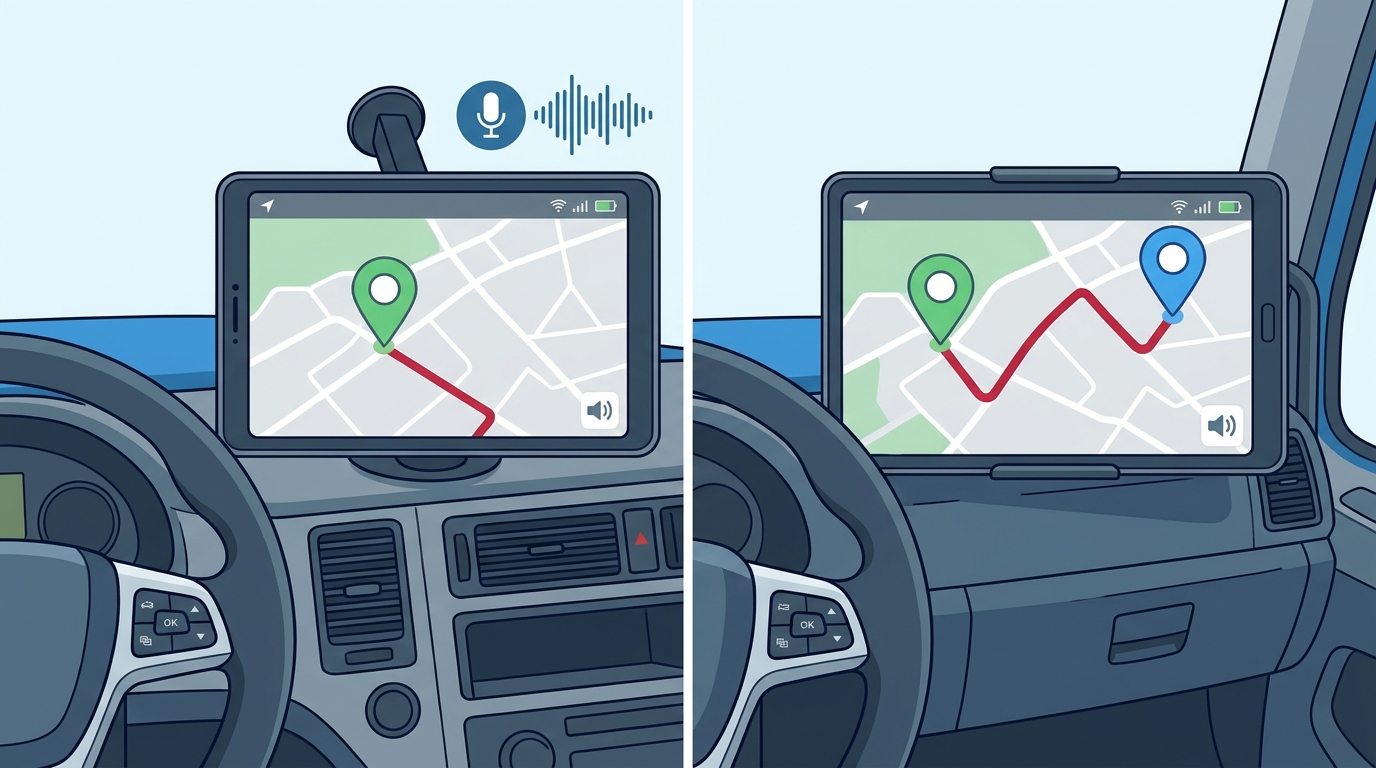
Hands-free navigation allows drivers to update their route using voice commands without touching a screen. The system processes speech, verifies the new address, and recalculates the path automatically. This technology is critical for safety, as it keeps eyes on the road and hands on the wheel. WhereY'at Inc. integrates this capability to help drivers report hazards while maintaining safe navigation. For additional details, review the whereyatinc com.
The Voice Recognition Pipeline
Modern navigation systems rely on advanced speech-to-text engines to interpret driver commands. When a driver says, "Change destination to Main Street," the system isolates the voice from background noise. It then converts the audio into text and parses the intent. This process happens in milliseconds, ensuring the driver does not need to repeat the command. The accuracy of this pipeline depends on the quality of the microphone and the clarity of the driver's speech. For additional details, review the .
Signal Processing and Noise Cancellation
Wind, engine noise, and open windows create significant interference. Robust signal processing filters these distractions to isolate the human voice. This ensures that the system hears the driver, not the environment. Effective noise cancellation is a key differentiator in reliable hands-free systems. For additional details, review the Customer Experience.
Intent Parsing and Address Verification
Once the text is generated, the system must understand the user's intent. It distinguishes between changing the destination, adding a stop, or asking for directions. Address verification is the next critical step. The system checks the spoken address against its database to ensure it is valid and reachable. If the address is ambiguous, the system may ask a clarifying question via voice. This prevents the car from driving to the wrong location. For additional details, review the Frequently Asked Questions.
Handling Ambiguity and Errors
Route Recalculation and Guidance
After confirming the new destination, the engine recalculates the optimal route. It considers traffic, road closures, and speed limits. The system then updates the visual map and provides new voice guidance. The driver receives immediate feedback, such as "Recalculating route" or "New destination set." This seamless transition ensures the driver is always aware of the current path. The system also updates the estimated time of arrival to reflect the new route. For additional details, review the About.
Dynamic Traffic Integration
Real-time traffic data influences the new route. If the direct path is congested, the system may suggest an alternative. This dynamic adjustment saves time and reduces driver frustration. The integration of live data is essential for accurate and efficient navigation.
Safety Implications for Fleet Drivers
Regulatory Compliance and Best Practices
Many jurisdictions have laws restricting phone use while driving. Hands-free systems help drivers comply with these regulations. Fleets can use these tools to monitor compliance and improve safety scores. Training drivers on effective voice command usage is also recommended. This ensures the technology is used to its full potential.
Integration with Hazard Reporting
Data Flow and Municipal Response
Reported hazards are aggregated and reviewed by municipal staff. They can assign tasks to road crews and track completion. This closed-loop system ensures that reported issues are addressed. It improves the overall quality of the road network. Drivers benefit from fewer hazards and smoother rides.
Key Takeaways
- Address verification prevents errors by confirming the new destination with the driver.
- Route recalculation considers real-time traffic and road conditions for optimal paths.
- Minimizing manual interaction reduces driver distraction and improves safety compliance.
- WhereY'at Inc. integrates navigation with hazard reporting to benefit both drivers and municipalities.
- Clear voice commands and good microphone quality are essential for reliable performance.
- Fleets can use these tools to enhance safety and operational efficiency.
Frequently Asked Questions
Can I change my destination while the car is in motion?
Yes, modern hands-free navigation systems allow you to change your destination while driving. The system processes your voice command and updates the route without requiring you to touch the screen. This keeps your attention on the road.
What happens if the system mishears my address?
If the system is unsure about the address, it will ask for clarification. You can confirm or correct the address via voice. This prevents the car from navigating to the wrong location.
Does changing the destination affect my estimated time of arrival?
Yes, the system recalculates the route and updates the estimated time of arrival. It considers traffic and road conditions to provide an accurate new ETA.
How does WhereY'at Inc. support hands-free navigation?
WhereY'at Inc. provides a platform that integrates hands-free navigation with hazard reporting. Drivers can report road issues via voice, which are then sent to municipalities for review and repair.
Is hands-free navigation safe for all drivers?
Yes, it is designed to reduce distraction and improve safety. However, drivers should still remain attentive to their surroundings. The technology is a tool to assist, not replace, driver awareness.
Can I add multiple stops using voice commands?
Many systems allow you to add multiple stops via voice. You can specify the order of stops, and the system will optimize the route accordingly. This is useful for delivery drivers and commuters. Learn more: whereyatinc com.