
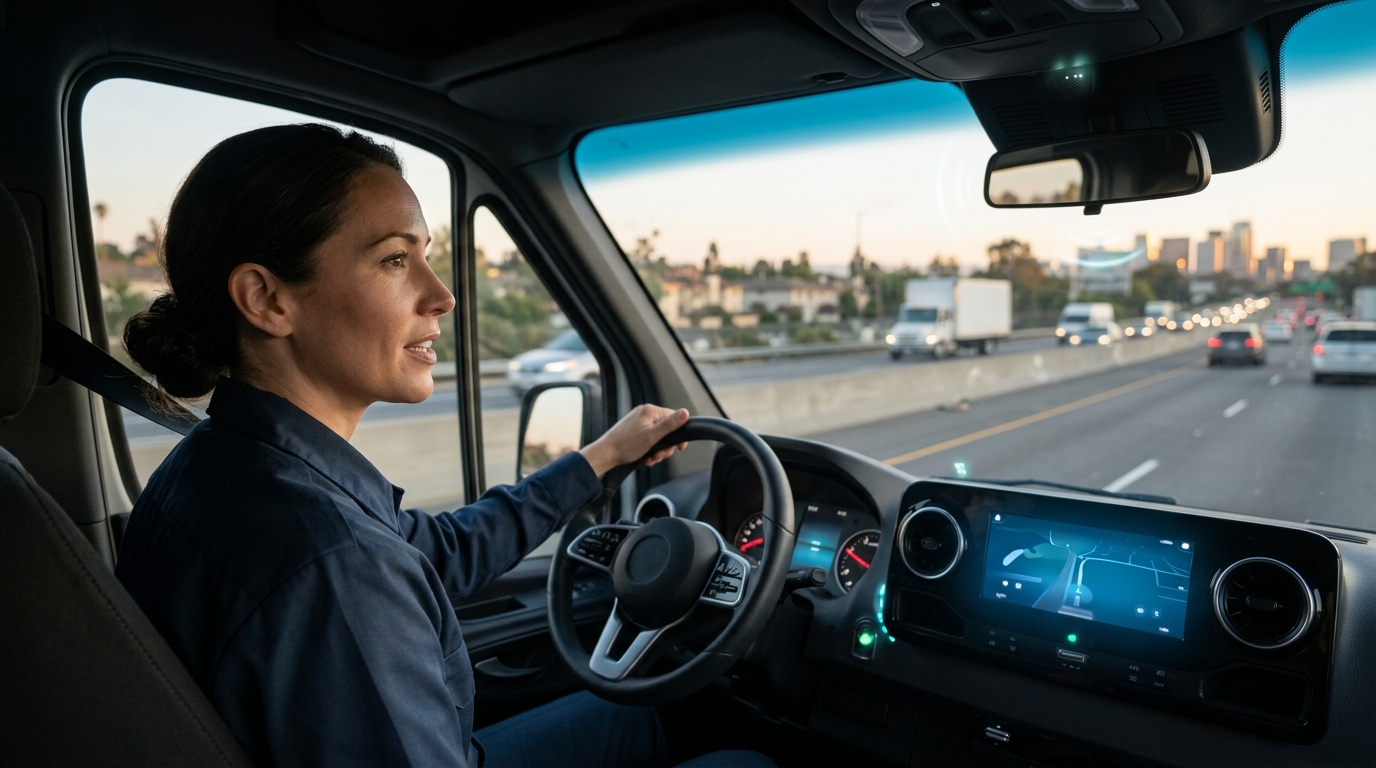
Drivers can ask for directions, change destinations, and select music entirely through voice commands. This capability removes the need to touch a screen, significantly reducing cognitive load and visual distraction. WhereY'at Inc. integrates these hands-free principles into its intelligent transportation platform to keep drivers focused on the road. This guide covers the specific voice commands for navigation and media, as well as the safety benefits of hands-free operation for commercial fleets and municipalities. For additional details, review the whereyatinc com.
Voice Assistant Commands
Voice assistant commands are specific spoken phrases that trigger digital actions within a vehicle's infotainment system. These commands allow users to interact with software without physical input. The effectiveness of these commands depends on the clarity of speech and the ambient noise levels in the cabin. For additional details, review the .
Navigation and Address Changes
Changing a destination is one of the most common tasks performed while driving. Most modern systems accept natural language queries. For example, a driver can say, "Navigate to 123 Main Street" or "Change destination to the nearest gas station." The system processes the request, updates the route, and provides verbal confirmation. This process eliminates the need to type addresses or scroll through lists on a touchscreen. For additional details, review the Customer Experience.
Media and Music Selection
Selecting music via voice is equally straightforward. Users can command the system to play specific artists, albums, or genres. Phrases like "Play jazz" or "Play the latest album by [Artist Name]" are standard. Advanced systems also allow for playlist management, such as "Add this song to my favorites." This functionality ensures that drivers can curate their audio environment without diverting attention to a screen. For additional details, review the Frequently Asked Questions.
System and Vehicle Controls
Beyond navigation and media, voice assistants control various vehicle functions. Drivers can adjust climate settings, open windows, or change seat positions using voice. For instance, saying "Turn up the heat" or "Open the sunroof" executes the command immediately. These controls contribute to a comprehensive hands-free experience that enhances overall driving comfort and safety. For additional details, review the About.
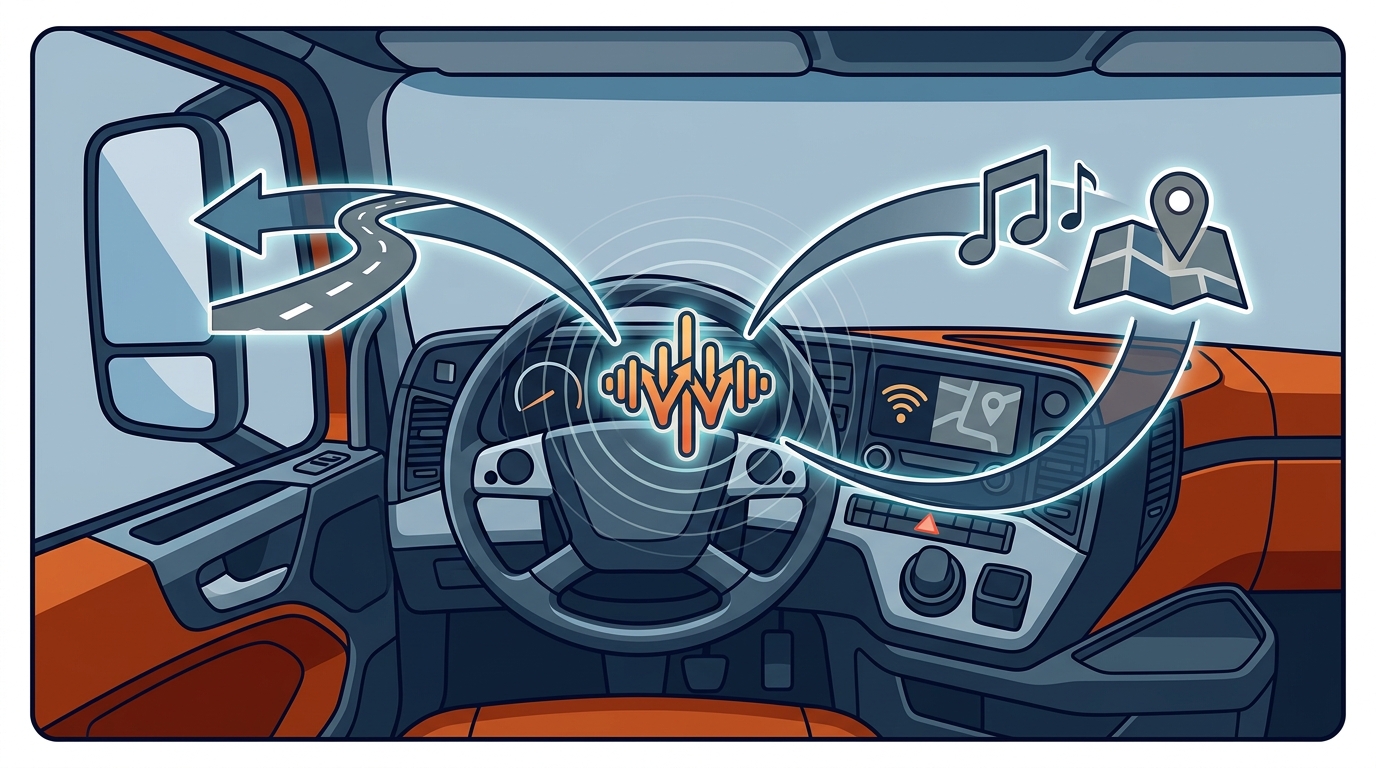
Hands-Free Navigation
Hands-free navigation is a driving mode where route guidance is provided entirely through audio cues and voice interaction. This mode is critical for reducing driver distraction, which is a leading cause of traffic accidents. By keeping eyes on the road and hands on the wheel, drivers maintain better situational awareness.
The Role of WhereY'at in Fleet Safety
Benefits for Commercial Fleets
Commercial drivers often face higher risks due to long hours and complex routes. Hands-free navigation reduces the cognitive burden associated with managing a vehicle and a navigation device simultaneously. Fleets that adopt these technologies often see improvements in driver retention and safety metrics. WhereY'at's integration of hazard reporting into the navigation workflow ensures that drivers are not only guided safely but also contribute to the maintenance of the road infrastructure they use.
Integration with Municipal Infrastructure
The data collected through hands-free reporting helps municipalities manage road maintenance more efficiently. When drivers report hazards via voice, the system geotags the location and categorizes the issue. This data allows city planners to prioritize repairs and allocate resources effectively. The connection between driver input and municipal action creates a feedback loop that improves road safety for everyone.
Key Takeaways
- Voice assistant commands allow drivers to control navigation and media without touching a screen.
- Hands-free navigation reduces visual and cognitive distraction, enhancing safety.
- WhereY'at Inc. enables drivers to report road hazards using voice, supporting municipal maintenance.
- Commercial fleets benefit from reduced driver fatigue and improved safety metrics.
- Natural language processing makes voice commands intuitive and easy to use.
- Geotagged hazard reports help municipalities prioritize road repairs.
- Hands-free technology is a key component of modern intelligent transportation systems.
Frequently Asked Questions
Can I change my destination while driving without using my hands?
How does WhereY'at help with road hazard reporting?
WhereY'at allows drivers to report potholes and other hazards using voice commands. This hands-free approach ensures that drivers can report issues safely without diverting attention from the road.
Is hands-free navigation safer than using a touchscreen?
Yes, hands-free navigation is generally safer because it keeps the driver's eyes on the road and hands on the wheel. Touchscreen interactions require visual attention, which increases the risk of distraction.
Can I control my music using voice commands?
Yes, you can use voice commands to play specific songs, artists, or genres. Most systems also allow you to skip tracks or adjust the volume using voice.
What types of vehicles support hands-free navigation?
How does voice reporting benefit municipalities?
Voice reporting provides municipalities with real-time data on road conditions. This information helps them prioritize repairs and allocate maintenance resources more effectively.
Is WhereY'at available for all types of fleets?
WhereY'at is designed to serve various fleet types, including trucking companies and delivery services. The platform is scalable and can be tailored to meet the specific needs of different operations.
Do I need a special device to use voice commands?
No, you do not need a special device. Voice commands work with standard vehicle infotainment systems and compatible mobile devices. The key is to ensure that the system is properly configured and that the microphone is accessible.
Conclusion
Mastering voice assistant commands and hands-free navigation is essential for modern drivers. These technologies reduce distraction and enhance safety by allowing users to control their vehicles and media without physical input. WhereY'at Inc. extends these benefits by integrating hazard reporting into the driving experience, connecting drivers with municipal maintenance efforts. By adopting hands-free practices, drivers and fleets can contribute to safer roads and more efficient infrastructure management. Explore the full capabilities of WhereY'at Inc. to see how intelligent transportation technology can transform your driving experience. Learn more: whereyatinc com.