
Distracted Driving Laws in Washington
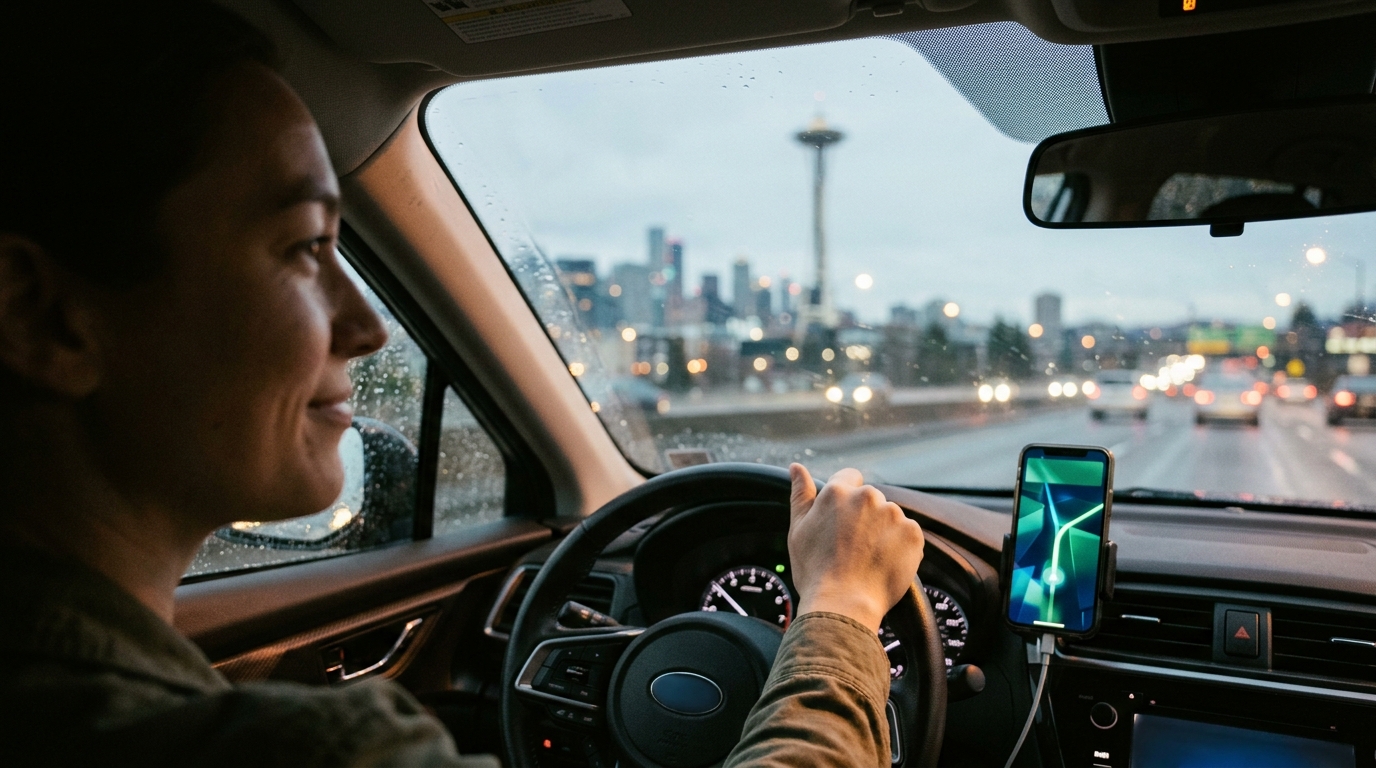
Washington State has strict regulations regarding the use of electronic devices while driving. Understanding these laws is the first step in adopting safe navigation practices. The state operates under a primary enforcement distracted driving law, which means police officers can stop a driver solely for violating these rules. For additional details, review the whereyatinc com.
Legal Definition of Distracted Driving
Penalties and Enforcement
Violations of these laws carry significant financial and legal consequences. A first offense typically results in a fine, while subsequent offenses can lead to higher penalties and potential license suspension. In Seattle, where traffic density is high, enforcement is consistent. Drivers must understand that even a brief glance at a handheld screen constitutes a violation. The legal framework is designed to eliminate the cognitive and visual distraction associated with manual device operation. For additional details, review the .
Commercial Vehicle Specifics
For trucking companies and delivery fleets, the regulations are even more stringent. Federal Motor Carrier Safety Administration (FMCSA) rules align with state laws to prohibit handheld device use for commercial drivers. This dual regulatory environment means that fleet operators in Seattle must ensure their navigation systems are fully hands-free to remain compliant. Non-compliance can result in out-of-service orders for vehicles and significant fines for the operating company. For additional details, review the Customer Experience.
Voice Command Operation Mechanics
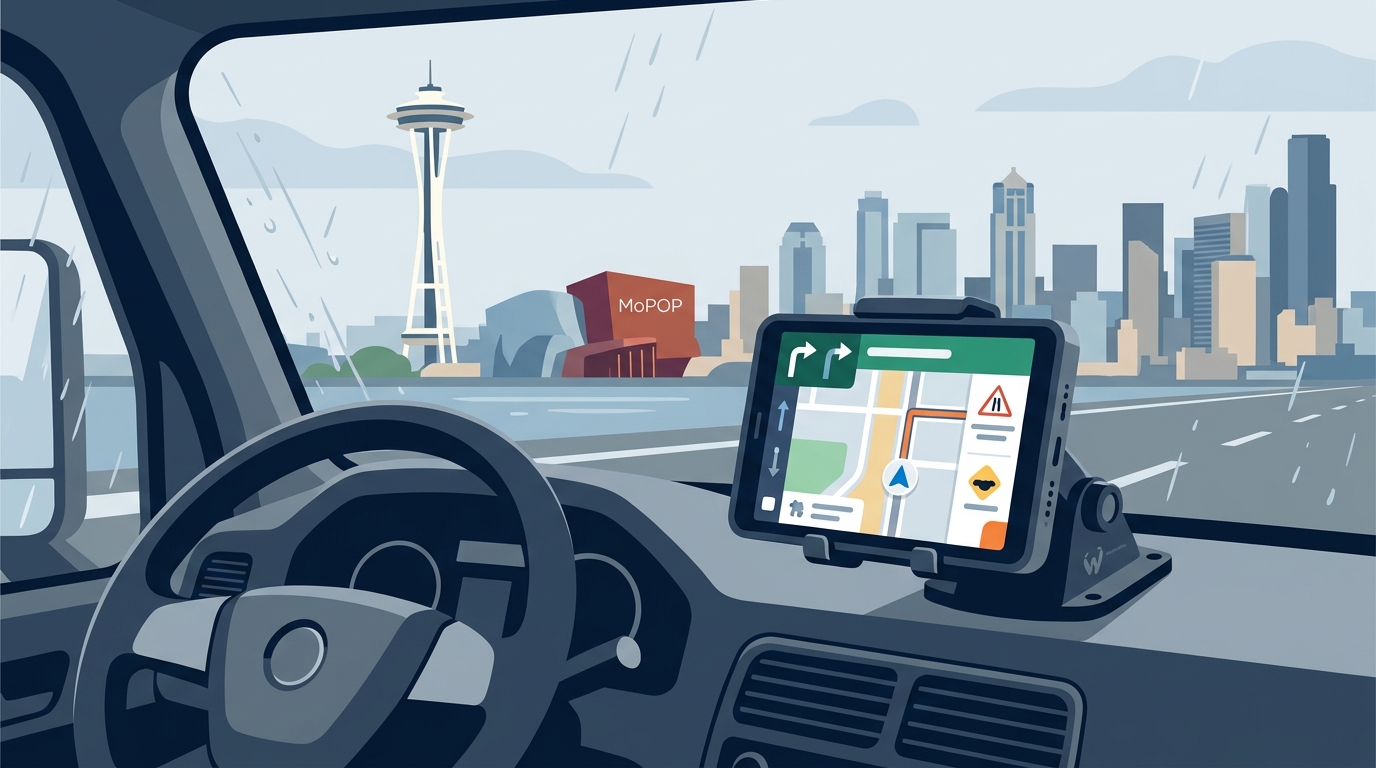
Voice command operation is the technical interface that allows drivers to interact with navigation systems without physical contact. This technology relies on speech recognition algorithms that convert spoken words into digital commands. In the context of intelligent transportation, this is not just a convenience feature; it is a safety-critical component. For additional details, review the Frequently Asked Questions.
How Speech Recognition Works in Vehicles
Modern voice command systems use natural language processing to understand driver intent. The system listens for specific keywords and phrases, such as "navigate to" or "report hazard." It then processes the audio input, filters out background noise, and executes the corresponding action. For a hands-free navigation layer, this means the driver can request a new route, check traffic conditions, or report a road issue entirely through speech. For additional details, review the About.
Accuracy and Reliability in Urban Environments
Urban environments like Seattle present unique challenges for voice recognition. Traffic noise, wind, and open windows can interfere with audio input. High-quality hands-free systems use noise-cancellation microphones and adaptive algorithms to maintain accuracy in these conditions. The specific quality offered here is reliability; the system must understand the driver clearly even when the vehicle is moving at speed in heavy traffic. This reliability is what distinguishes a professional-grade navigation layer from a basic consumer app.
Integration with Fleet Management
For fleets, voice commands extend beyond simple navigation. Drivers can use voice to log work hours, report vehicle issues, or communicate with dispatchers. This integration reduces the need for manual data entry, which is a major source of distraction. By allowing drivers to handle administrative tasks through voice, the system ensures that their attention remains focused on the road ahead. This is a core value proposition for companies looking to improve both safety and operational efficiency.
Seattle Infrastructure and Road Conditions
Seattle’s road network is characterized by steep hills, narrow streets, and frequent weather-related changes. These conditions make real-time information and safe navigation practices particularly important. The city’s infrastructure requires drivers to be constantly aware of their surroundings, which is difficult when attention is divided by a handheld device.
Challenges of Seattle’s Road Network
The city’s topography and weather create dynamic road conditions. Potholes, wet surfaces, and construction zones are common. A hands-free navigation layer provides drivers with up-to-date information about these conditions without requiring them to look away from the road. This is crucial for maintaining vehicle control, especially on the steep grades found in neighborhoods like Capitol Hill and Queen Anne.
The Role of Real-Time Data
Municipal Integration and Reporting
WhereY'at Inc. connects the people using the roads with the people responsible for maintaining them. This integration is a key aspect of the hands-free navigation layer offered in Seattle. Drivers can report potholes, road hazards, and other problems without taking their attention off the road. These reports are then sent to the appropriate municipality for review and action.
How Reporting Works
The reporting process is designed to be simple and efficient. A driver can use a voice command to report a hazard, such as a pothole or a broken traffic light. The system captures the location, time, and description of the issue. This information is then transmitted to the municipal infrastructure team. The driver does not need to stop the vehicle or use a handheld device to complete this process.
Municipal Response and Tracking
Once a report is received, the municipality can review it, assign it to a road crew, and track its progress. This creates a closed-loop system where driver reports lead to actual road improvements. For municipalities, this means a more efficient way to manage road maintenance. For drivers, it means better information about the roads ahead, as fixed issues are updated in the navigation system. This integration is a specific quality that sets WhereY'at apart from standard navigation apps.
Key Takeaways
- Hands-free navigation in Seattle keeps your eyes on the road and hands on the wheel, which is critical for safety in dense urban traffic.
- Washington State law prohibits the use of handheld devices while driving, with strict penalties for violations.
- High-quality voice systems use noise-cancellation to maintain accuracy in noisy urban environments like Seattle.
- Seattle’s steep hills and dynamic weather make real-time road information essential for safe driving.
- WhereY'at Inc. integrates driver reports with municipal maintenance teams, creating a closed-loop system for road improvements.
- For fleets, voice commands can handle administrative tasks, reducing distraction and improving operational efficiency.
- The specific quality offered is reliability and safety, ensuring that drivers remain focused on the road while receiving critical information.
Frequently Asked Questions
Is hands-free navigation legal in Seattle?
Yes, hands-free navigation is legal in Seattle. Washington State law prohibits the use of handheld devices while driving, but it allows the use of hands-free devices for navigation and communication. Drivers must ensure that their device is mounted or used in a way that does not require physical contact while the vehicle is in motion.
How does voice command operation work in noisy conditions?
Voice command systems use noise-cancellation microphones and adaptive algorithms to filter out background noise. This allows the system to accurately recognize driver commands even in noisy urban environments. The reliability of the system is a key factor in its effectiveness for safety.
Can I report road hazards while driving?
Yes, with a system like WhereY'at, you can report road hazards using voice commands. This allows you to report issues without taking your eyes off the road or using a handheld device. The report is sent to the municipality for review and action.
What are the penalties for distracted driving in Washington?
How does WhereY'at integrate with municipal services?
WhereY'at sends driver reports to the appropriate municipality. The municipality can then review the report, assign it to a road crew, and track its progress. This creates a closed-loop system where driver reports lead to actual road improvements.
Is hands-free navigation better for fleets?
Yes, hands-free navigation is particularly beneficial for fleets. It allows drivers to handle administrative tasks, such as logging work hours or reporting vehicle issues, through voice commands. This reduces distraction and improves operational efficiency.
What specific quality does hands-free navigation offer in Seattle?
The specific quality is safety and reliability. It keeps your eyes on the road and hands on the wheel while providing real-time information about traffic and road conditions. This is essential in a dense urban environment with dynamic road conditions. Learn more: whereyatinc com.